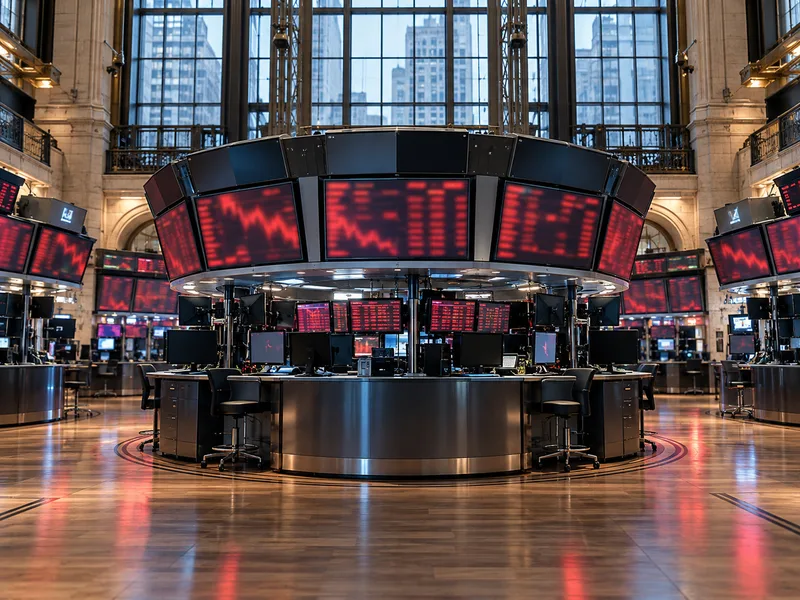
On the 5th, KOSPI fell 5.28%, Taiwan fell 3.20%... On the 6th, the stock markets of both countries plunged around 9% during the day, and the authorities temporarily exempted the collateral ratio obligation... Additional response standards and enforcement preparations must be specified
Taiwan's financial authorities have discussed the possibility of restricting short selling in response to the sharp decline in the stock market. Korea's shock was even greater today, following a larger drop than Taiwan the previous day. KOSPI plunged more than 8% in the early hours of the session, and the first stage circuit breaker was activated at 9:03 a.m., halting trading for 20 minutes. Even after trading resumed, the sharp decline continued and even the sell sidecar was activated at 9:34 am. A selling sidecar was also activated at KOSDAQ at 9:06 am. Taiwan also plunged about 9% at one point in early trading.
According to Taiwanese business magazine Sangjong Times, Feng Jin-rong, a member of Taiwan's Financial Supervisory Commission (FSC), announced that he plans to announce additional market stabilization measures on the afternoon of the 6th. Temporary restrictions on short selling were also mentioned as a possible measure. It has not been confirmed whether specific regulations will be introduced and when they will be implemented.
According to reports, Taiwan's financial authorities announced the previous day that they may consider restricting short selling if their stock market falls excessively compared to other major countries due to fear without reasonable cause. Even though it was judged that risk indicators such as credit transaction collateral maintenance ratio were at a manageable level, response measures were left open.
Korea fell further the day before... A sharp drop that led to a halt in trading
As of the closing price on the 5th, KOSPI closed at 5383.80, down 5.28%. Taiwan's stock market index closed at 41,574.72, down 3.20%. KOSDAQ also fell 5.11%, with the Korean stock market having a greater decline.

[Photo caption=AI-generated image expressing the anxiety of individual investors due to falling stock prices.]
On the 6th, the shock became even greater. At 9:03 am, KOSPI recorded 4924.61, down 459.19 (8.52%) points from the previous trading day, and the first stage circuit breaker was activated. KOSDAQ also fell 6.88% in early trading. On this day, on the regular trading day of the Korea Exchange, KOSPI closed at 5059.69, down 324.11 points (6.02%) from the previous trading day. KOSDAQ closed at 644.27, down 34.14 points (5.03%). Taiwan also plunged about 9% at one point in early trading. Although it cannot be concluded that Korea fell further based on the largest drop on the day, the fact that the Korean market, which had experienced a larger correction the previous day, was shaken to the point of halting trading again is a serious reality. Just because the stock markets of both countries have reduced their decline since then, it is not a situation to lower our guard.
If an "excessive reaction" is diagnosed, response standards must also be shown.
At an emergency market situation review meeting on this day, domestic economic and financial authorities diagnosed that the domestic stock market was overly reactive to external factors. Next, it was decided to exempt securities companies from their obligation to maintain a collateral ratio of 140% for credit loans for three months from the 9th, and to prepare additional measures if volatility further expands.
It is meaningful in that it is a response aimed at reducing counter-trading pressure. However, to avoid misunderstanding that this is a uniform suspension of opposition trading, the target of application and the operating method of each securities company must be clearly explained.
Additional stabilization policies should not stop at just leaving the possibility open. There is a need to quickly check whether there are any abnormalities in short selling, program trading, current/futures, and ETF-linked trading, and suggest which means will be used under what conditions.
Reviewing restrictions on short selling does not mean that short selling is determined to be the cause of the sharp decline. The responsibility of a specific trading method cannot be proven solely based on the currently confirmed decline rate or transaction proportion. Reports of possible restrictions in Taiwan also do not mean that the implementation or effectiveness of the regulations has been confirmed.
However, cause analysis and response preparation must go hand in hand. Investors can rest assured that they must be prepared to immediately implement measures by comparing the necessity and side effects of each method, such as measures related to short selling, strengthening liquidity, and easing the burden of credit transactions.
Market stabilization policy is not about protecting a specific index, but about preventing normal adjustments from spreading into disorderly selling. If the financial authorities acknowledge the market's excessive reaction, they must also demonstrate appropriate preemptive response. We must not repeat the process of 'losing the cow and repairing the barn', where measures are taken after trust is broken.