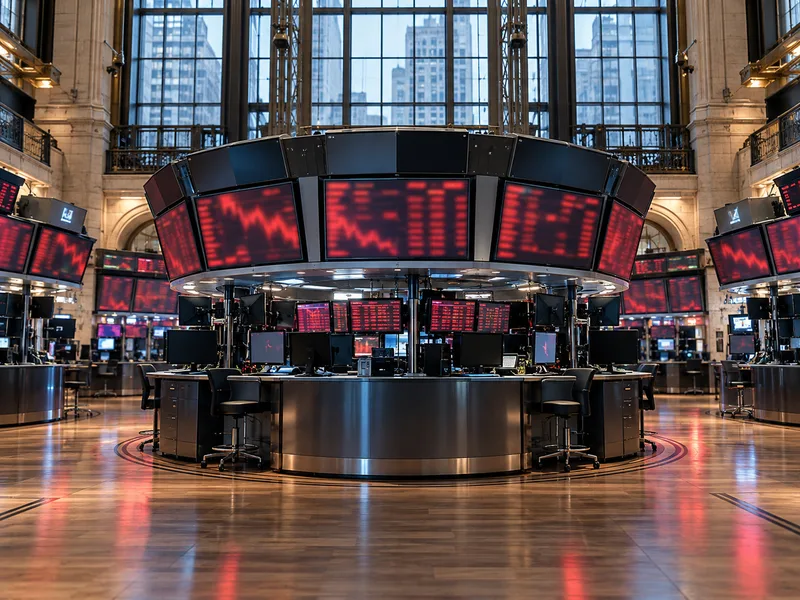
Concerns over data center delays send Samsung and SK Hynix plunging; foreign investors dump electronics, boosting pharmaceuticals, autos, and consumer goods.
Key Market Trends
- ① U.S. markets surge, but South Korea tumbles as semiconductors divide.
The South Korean market experienced a sharp decline following the U.S. midterm elections, with data center investment concerns hitting the semiconductor sector hard. Related stocks also weakened in Taiwan and Japan.
Overnight, the U.S. markets moved in a different direction. Political uncertainty eased, driving a 3% surge in the Dow and an upward trend in the Nasdaq. Hyper-scalers, financials, and consumer stocks led the charge, with gains spreading to solar, travel, and other sectors.
In contrast, major semiconductor stocks tumbled collectively. Concerns arose that the Democratic election victory could slow down data center construction, particularly with potential policy changes in Texas, where data center investments are concentrated.
- ② Samsung and SK Hynix plunge; Soobujang faces a sell-off frenzy.
Market Concerns Over Semiconductor Demand Amid Data Center Investment Delays
Fears that delayed data center investments could impact future semiconductor demand were strongly reflected in the domestic market.
A sharp decline in Samsung Electronics and SK Hynix triggered the activation of a sidecar on the KOSPI index during the morning trade. Stocks that had previously benefited from expectations of industry improvement, such as Samsung Electro-Mechanics, also experienced a simultaneous downturn. Semiconductor materials, components, and equipment stocks saw a wave of selling, approaching panic levels.
Foreign investors engaged in large-scale net selling, primarily focused on the electrical and electronics sectors. Conversely, they purchased stocks in certain industries, including IT services, pharmaceuticals, transportation and warehousing, entertainment, and culture.
Institutional investors also sold electrical and electronics stocks and medical precision stocks but showed a buying advantage in many other sectors. The pharmaceutical and automotive sectors exhibited strength due to the declining yield rates, while entertainment, cosmetics, and other consumer-focused stocks, as well as airline stocks expected to benefit from lower oil prices, also rose.
Data Center 'Adjustment' vs. 'Cancellation': Power Costs at the Center of the Debate
The market's primary concern lies in whether the policy changes surrounding data centers will lead to a genuine decrease in semiconductor demand.
Regulatory Discussions and Their Impact
The ongoing debates surrounding data center regulations in the U.S. are primarily focused on power consumption, consumer electricity costs, and tax benefits, rather than an outright opposition to the industry itself. Should companies bear increased costs, there is a possibility of delayed project start dates for certain initiatives.
Consequently, this could lead to some adjustments in semiconductor demand forecasts. However, considering ongoing projects and long-term supply contracts, it is challenging to conclude that short-term policy changes will immediately impact next year's memory market performance significantly.
Supply-Demand Dynamics and Sector Performance
The key driver behind the index's sharp decline was foreign investors' concentrated selling in the electronics sector. As Samsung Electronics and SK Hynix faced selling pressure, the downturn spread to semiconductor materials and equipment, leading to a self-perpetuating cycle of support levels being breached, triggering further selling.
Conversely, the entire market did not experience a uniform decline. Buying interest shifted towards pharmaceuticals, automotive, entertainment, cosmetics, and aviation sectors, resulting in a significant divergence in the performance gap between semiconductors and non-semiconductor industries.
Market Insights
Institutional investors have notably favored non-semiconductor sectors, which is a key characteristic of the market's recent moves. For the time being, it is essential to monitor both the intensity of foreign selling in the semiconductor sector and the institutional flow across various industries, rather than focusing solely on the index itself.
Market Outlook by SiHwangMan
With the U.S. midterm elections and earnings releases from major tech companies largely concluded, the market is now assessing the potential impact of political shifts on the AI industry. While it may be premature to consider these changes as decisive factors, the market could react sensitively to any news regarding the concretization of data center policies.
Specifically, investors are gauging whether delays in data center construction will lead to downward revisions in semiconductor earnings estimates. The recent volatility in stock prices can be attributed to the market's tendency to reflect such possibilities before actual performance changes are confirmed.
At the heart of the data center controversy are issues such as electricity costs and tax benefits, which are borne by local communities. While it is possible that some project timelines may be delayed as these costs are negotiated and shifted more towards corporations, it is important to note that these delays do not necessarily indicate a halt in AI infrastructure investments.
Semiconductor Sector Outlook
Despite potential project delays, the semiconductor industry faces critical variables such as supply shortages and long-term contracts. It is essential to consider the significant movement in stock prices, which occurred before any confirmation of next year's performance impact. In the short term, foreign selling pressure and the breakdown of support levels will inevitably lead to increased volatility. However, it is also crucial to examine the disparity between actual performance changes and the magnitude of stock price declines.
In the coming period, it is necessary to monitor the supply dynamics within the semiconductor sector, which has experienced heightened declines alongside industries influenced by changes in the U.S. congressional landscape. Additionally, among existing leading stocks, those with sustained performance and accumulated institutional buying are worth observing as volatility stabilizes.
Reference: Stock Story by Mr. Market t.me/shmstory
YouTube: Mr. Market TV www.youtube.com/@blueoak1004
This article has been reconstructed with the consent of the author of the original post on the Stock Story by Mr. Market Telegram channel. All content may contain errors and should not be construed as buy or sell recommendations, nor should it be used as a basis for investment decisions. The content of this post cannot be used as legal evidence under any circumstances.