North Korean Hackers Pull Off $6.3 Billion Heist in 20 Minutes; Majority of Funds Recovered and Returned as Withdrawals Resume, but Billions Still Flee; Domestic Exchanges Discuss Increasing Cold Wallet Ratios
The massive $6.3 billion hacking incident at Binance, the world's largest cryptocurrency exchange, has sparked a security review at domestic exchanges. Despite Binance's successful recovery of the majority of the stolen assets, the Financial Services Commission has called for an emergency meeting with domestic exchanges on June 2nd to assess customer asset protection measures, as billions of dollars have continued to flow out since withdrawals resumed.
#### $6.3 Billion Heist in 20 Minutes; Billions Flee After Withdrawals Resume
On May 29th, approximately $6.3 billion worth of virtual assets were stolen from Binance, estimated to be the largest exchange hacking incident in history. According to foreign media and security industry sources, the attackers gained access to an employee's work laptop, allowing them to infiltrate the internal system. Within a mere 20 minutes, a massive amount of assets were drained from 10 different blockchains.
FBI Points Finger at North Korean Hacking Group for Binance Attack
The U.S. Federal Bureau of Investigation (FBI) has identified the North Korean-linked hacking group 'TraderTraitor' as the mastermind behind the recent Binance hack, which occurred on August 31st. This group has a history of involvement in high-profile cryptocurrency heists, including the $1.5 billion ByBit hack last year. In a bid to curb further financial damage, the FBI has released the associated Ethereum wallet addresses and urged the public to help track and block any suspicious fund transfers.
**Binance's Swift Response and Customer Reassurance**
Binance took immediate action by suspending withdrawals and focusing on safeguarding customer assets. On September 1st, the exchange announced that it had recovered or covered approximately 95% of the losses through its own funds and user protection reserves. Subsequently, it began to gradually reopen withdrawals for major cryptocurrencies.
However, customers rushed to withdraw their funds, leading to a significant outflow. According to the Financial Times, within approximately 9 hours and 30 minutes after the resumption of withdrawals, $4.65 billion was withdrawn, while $1.01 billion was deposited, resulting in a net outflow of $3.64 billion. This amount represents approximately 2.1% of the exchange's pre-hack holdings. Binance explained that the initial surge in withdrawals has stabilized, indicating a return to normalcy in its operations.
Financial Authorities Take Action: Enhancing Security Measures
Late-session Selling Pressure and Margin Call Liquidations
The theft of assets and the retention of departing customers are two distinct challenges facing the cryptocurrency industry. In a preventive measure, Binance's Japanese entity temporarily halted virtual asset withdrawals, gradually resuming operations.
#### Financial Regulators Convene Domestic Exchanges: Increasing Cold Wallet Holdings
According to KBS, the Financial Services Commission will host an emergency security review meeting with representatives from Upbit, Bithumb, Coinone, and other KRW and non-KRW exchanges at 10 a.m. on June 2nd. The meeting aims to share the progress of the Binance hacking incident, assess the security systems of domestic exchanges, and evaluate measures to protect customer assets.
It is understood that one of the key discussions will center around increasing the storage allocation of 'cold wallets,' which are kept separate from the internet and are relatively safe from online attacks. However, unlike hot wallets, which are connected to the internet, cold wallets have limitations when it comes to swift deposits and withdrawals.
The current Virtual Asset User Protection Act mandates that exchanges store at least 80% of customer assets in cold wallets. Upbit exceeds 99%, Bithumb is at 94%, Coinone is at 85%, and DigitalEx and Gopax, operated by Streamy, are in the early 80% range. While all exchanges meet the legal requirements, there are variations in the proportion of assets left in the online environment.
Binance's Security Breach: A Wake-up Call for the Crypto Industry
The recent security incidents at domestic exchanges, including the data breach at Bithumb and the theft of approximately $1 million worth of virtual assets from PraBank, have raised concerns and prompted regulatory action. The Financial Services Commission (FSC) is set to hold a security inspection meeting on May 5th, attended by key stakeholders, including the Financial Supervisory Service, the Financial Security Institute, industry associations, and the CEOs of the five major banks.

In the case of the Binance attack, the compromise of an employee's terminal was identified as the initial point of entry. While increasing the ratio of assets stored in cold wallets is a step towards enhanced security, domestic exchanges must also scrutinize their asset transfer permissions and internal approval processes.
Late-Session Selling Pressure Erased Intraday Gains
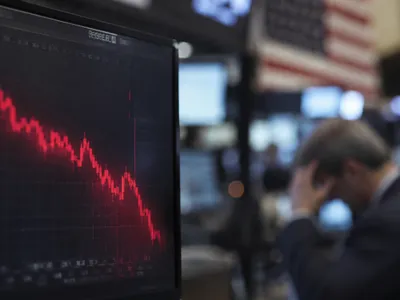
The crypto market experienced a late-session selling pressure on Monday, erasing earlier gains. This sell-off was triggered by the news of the Binance security breach, which highlighted the vulnerabilities within the industry. As a result, the yield rates on crypto assets took a hit, with many tokens experiencing a decline in value.
The incident serves as a stark reminder of the importance of robust security measures and the need for continuous commercialization and innovation to mitigate such risks. With the rise of institutional interest in cryptocurrencies, ensuring the safety and integrity of digital assets has become a critical priority.
As the crypto market continues to mature, exchanges and regulatory bodies must work together to implement comprehensive security protocols. This includes not only safeguarding assets but also educating employees and users about potential threats and best practices.
The upcoming security inspection meeting in South Korea is a positive step towards addressing these concerns and ensuring the long-term stability of the crypto industry. With a focus on margin call liquidations and internal controls, the meeting aims to prevent similar incidents from occurring in the future.