Nasdaq plunges 5.52%, concerns spread about data center regulations, Big Tech expands investment... Semiconductor demand outlook remains solid
As U.S. semiconductor stocks plunged more than 12% in one day, doubts are growing about the sustainability of the artificial intelligence (AI) investment craze. Data center construction regulations and uncertain profitability compared to huge investment costs stimulated selling. However, major big tech companies spending money on AI infrastructure are expanding their facility investment plans. A clear temperature difference appeared between actual investment flows and stock prices.
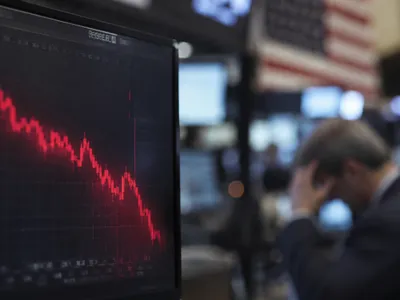
On the 5th (local time) in the New York stock market, the Nasdaq index plunged 5.52%, recording the largest drop since April 2025. The S&P 500 index fell 4.36% and the Dow index fell 3.44%. The Philadelphia Semiconductor Index fell more than 12%, and Nvidia fell more than 9%. AMD, Micron, and Marvell Technology also recorded double-digit declines.
Nasdaq has entered a technical correction phase, losing more than 10% from its all-time high in October. The selling spread from AI semiconductors to data center operators and power infrastructure companies.
#### Data center regulations spread... Doubts about the profitability of AI investment
The main reason behind this sharp drop is concerns over data center regulations that have grown since the U.S. midterm elections. In the election on the 3rd, 40 of 41 data center-related referendums in 10 U.S. states were counted in favor of restricting development. Although the legal effect and implementation timing of each ballot measure are different, concerns have grown that the procedures for new permits and power and water infrastructure approval may become more difficult.
UBS estimates that about 30% of new data center capacity expected in the U.S. through 2028 is at risk of being affected by potential construction halts. This is not an actual investment cancellation, but rather a quantity exposed to expansion of regulations.
Regulatory concerns ignited the already growing debate over the profitability of AI investments. Major technology companies such as Google and Meta are investing enormous amounts of money in securing data centers and semiconductors, but it is unclear when they will be able to secure returns commensurate with their investments.
The expansion of borrowing by some companies is also a burden. As AI cloud company Coreweave's credit default swap (CDS) premium expanded to its highest level ever, vigilance over funding risks increased.
Jo Ah-in, a researcher at Samsung Securities, recently analyzed, "Uncertainty is growing as to whether the cash flow generated from the existing main businesses of big tech companies can sufficiently support the pace of increase in AI facility investment." The explanation is that if cash flow deterioration continues, the mid- to long-term demand outlook for domestic semiconductor companies may also be negative.
Epek Ozkardskaya, senior analyst at Swiss Quot Bank, also told Reuters, "We expect that such aggressive expansion of AI infrastructure will be subject to increased scrutiny." Doubts in the market are focused on whether the huge investment can return as much profit as expected rather than on the growth potential of AI.
The supply and demand shock increased the decline. With hedge funds reducing borrowing and institutional investors continuing to sell, the fear index (VIX) exceeded the 28 mark during the day. Concerns about additional selling due to leveraged ETFs and system trading strategies also put pressure on semiconductor stocks.
#### Big Tech is expanding investment... Semiconductor demand outlook remains solid
The sell-off in semiconductor stocks spread throughout the global supply chain. On the 5th, Europe's ASML and Infineon, and Japan's Advantest and Tokyo Electron plummeted. In Korea, Samsung Electronics and SK Hynix fell 7.57% and 9.46%, respectively. However, these markets finished trading ahead of the regular market closing date in the United States.
Stock prices collapsed before evidence of a decrease in semiconductor orders. Meta, Alphabet, and Amazon actually raised their facility investment forecasts in their recent earnings announcements. There is a temperature difference between the slowdown in investment that the market is concerned about and the plans presented by companies.
The outlook for memory supply and demand remains solid. In a recent report, Citi predicted the supply shortage rates of DRAM and NAND in 2027 to be 3.8% and 3.3%, respectively. Although the extent of the shortage has been reduced compared to previous forecasts, supply shortages are expected to continue, especially for server DRAM and enterprise SSDs.
Goldman Sachs forecasts the scale of facility investment by major hyperscalers to be $1.2 trillion in 2027. An analysis also suggested that if facility investment is $250 billion more or less than expected, the profit growth rate of S&P 500 companies could change by about 6 percentage points.
Even if AI investment continues, if the pace of growth slows, it could have a significant impact on semiconductor companies' profit prospects and stock prices. In particular, as Samsung Electronics and SK Hynix have high expectations for increased supply of high-bandwidth memory (HBM) and increased demand for server DRAM, it has become important to see whether major customers' investment plans lead to actual orders and long-term supply contracts.
Major big tech companies are still increasing investments in AI facilities, and the outlook for a memory supply shortage remains. However, there is a greater possibility that data center construction regulations and borrowing burdens will slow down the pace of investment expansion. The market has already begun to lower the price it places on future growth. Now is the time to check not only the scale of the investment plan, but also whether the actual semiconductor orders and supply contracts support the expectations.